Advertising is one of the most misunderstood and expensive parts of the marketing process. Time again I speak to business owners who:
- Have no idea if their marketing actually works
- Use one media to reach their target audience
- Manually handle nurturing their prospects
Does this sound like you? I'm not saying you're doing everything wrong. I just think you can head in a better direction if you know what good advertising is and how to leverage the right media strategies.
So, I’m going to break down common misconceptions about advertising media, and share powerful tips on how you can get the most from your spend.
What is advertising?
Advertising is simply paying for attention. It’s the shortcut to getting in front of your ideal customer, fast. But here’s the catch: if your message sucks, all you’re doing is burning money.
Great advertising isn’t just about throwing cash at Facebook, Google, or billboards. It’s about crafting a message that grabs the right people, makes them feel something, and gets them to take action. Do it right, and it’s an investment that prints money. Do it wrong, and you might as well set your wallet on fire.
Are advertising and marketing the same thing?
Nope! Advertising and marketing are not the same thing.
- Marketing is the big picture. It’s everything you do to attract, convert, and keep customers.
- Advertising is just one piece of your marketing puzzle.
Think of marketing as a chess game where you’re strategically positioning your brand, crafting your message, and building relationships. Advertising, on the other hand, is like putting a loudspeaker on one of your best moves to get attention fast. You can have marketing without advertising, but you can’t have effective advertising without a solid marketing strategy behind it.
What Makes Advertising Effective?
I don't know about you, but most businesses want to get as much exposure from the media as possible. It feels good to be seen on billboards, TV commercials, in publications, online, whatever.
Dmitry Dragilev likens this to lights over Broadway. But the thing is, your target audience is at home watching Netflix. So wasting your money on media which your prospect never consumes is bad for business and your bank account.
It feels good to be able to say, “I’ve been featured in Forbes or The New York Times.” But that’s just feeding your ego.
You really want to be making money in the shadows, and you do this through targeted advertising. This has worked for me.
I'm pretty sure 99.99% of people on Earth have no idea who Allan Dib is, and that's fine with me. I don't mind it, as long as the remaining 0.01% are my target audience—who know me, connect with me, and do business with me.
So what makes advertising effective?
It's not about getting your name out to a wider audience. It's about connecting to the right audience and getting them to opt for your product or service. This means having a very clear picture of whom you audience is and what makes them tick. This blog shows you how to infiltrate your market.
4 Tips for Reaching Prospects with Advertising Media
1. Track your numbers. Everything that gets measured in marketing, gets managed.
From a marketing perspective, you should adapt the "money at a discount" mindset.
Let's think about it this way...
You're actually buying customers. And you should buy them at a lower cost, so once they buy from you, you can earn a profit.
How much would you pay for a $10,000 or $100,000 prospect?
It’s hard to come up with a figure until you start tracking your metrics.
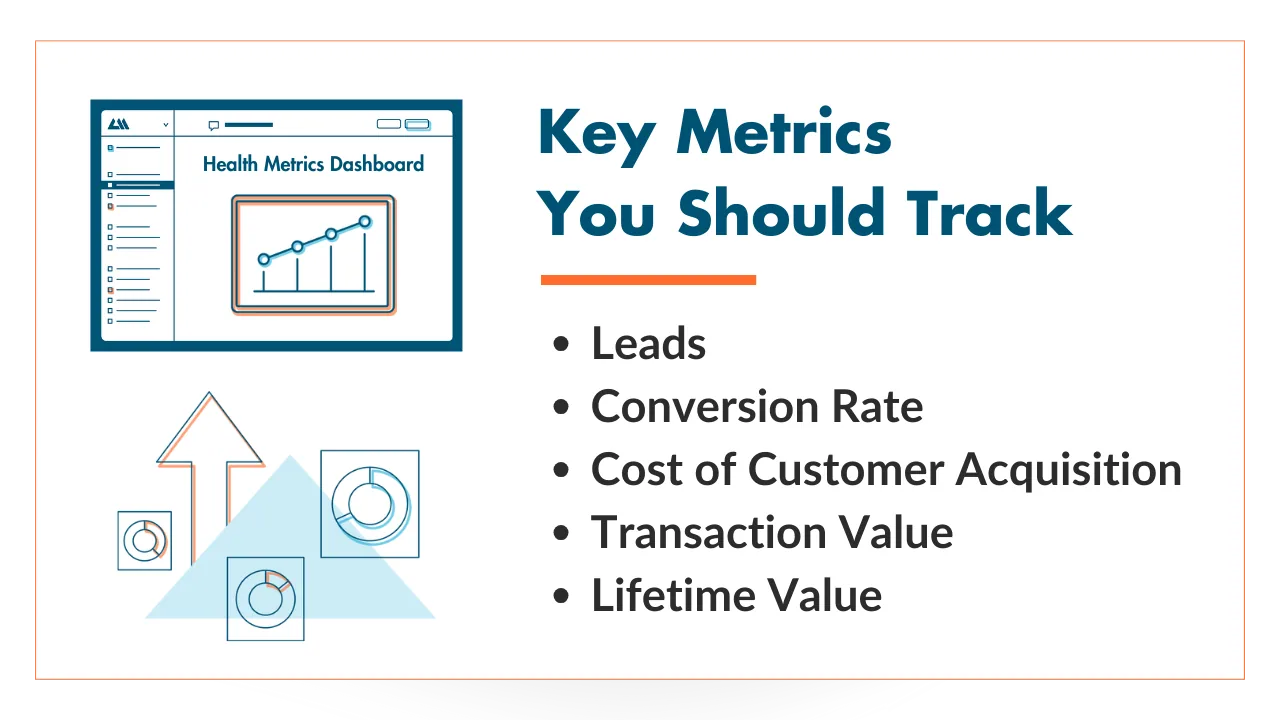
No matter what advertising media you use, here are the key metrics that you should track:
- Leads: How many leads do you have?
- Conversion Rate: Based on the number of leads you have, how many decided to buy from you?
- Cost of Customer Acquisition: How much did you spend for acquiring a customer or client? Average
- Transaction Value (front-end): This is calculated by dividing the total value of all sales by the total number of sales.
- Lifetime Value (back-end): This is the average amount of money your customers will spend on your business over the entire span of your relationship.
The first two key metrics are easy to understand. But do you know what front-end and back-end mean?
- Front-end: This could be a customer's first purchase from your ad.
- Back-end: This is the amount of money you gain from subsequent purchases. You either have a subscription or an ongoing type of service.
The goal is to make money on both the front- and back-end. It’s not unusual to lose money on the front-end, and earn from the back-end, but ideally you want a return on investment upfront.
Over time, your numbers will fluctuate. They’ll go up or down. A slight increase in each number makes a huge difference to your performance. That's why it’s crucial you know your numbers. Don't rely on estimates because they're purely guesswork.
As long as you track your key metrics regularly, you'll know how much you're gaining and losing. And most importantly, this will help you figure out the platforms that work best for your business right media platforms that work best for your business.
2. Don't be single-source dependent. You need several types of media to build brand awareness and reach more people.
So, being single-source dependent is a very dangerous approach in marketing.
Don't be that person who's getting all their leads from one place, whether it be Google, Facebook, or Amazon. All you need is for one person to complain and you can lose your Facebook account over night. Every one of your followers—gone. You’ll have no way of contacting them.
While a single platform can be very good for you, it’s still important to diversify your media.
I personally recommend you use at least five different media platforms to build connections, advertise in, get leads from, and gain revenue from. For example, media pitching is a great way to gain free press for your business and generate leads.
For marketing newbies, you want to have a mix of digital media and offline media. They’re really not that complicated. Here, I’ll unpack them for you...
Digital Media
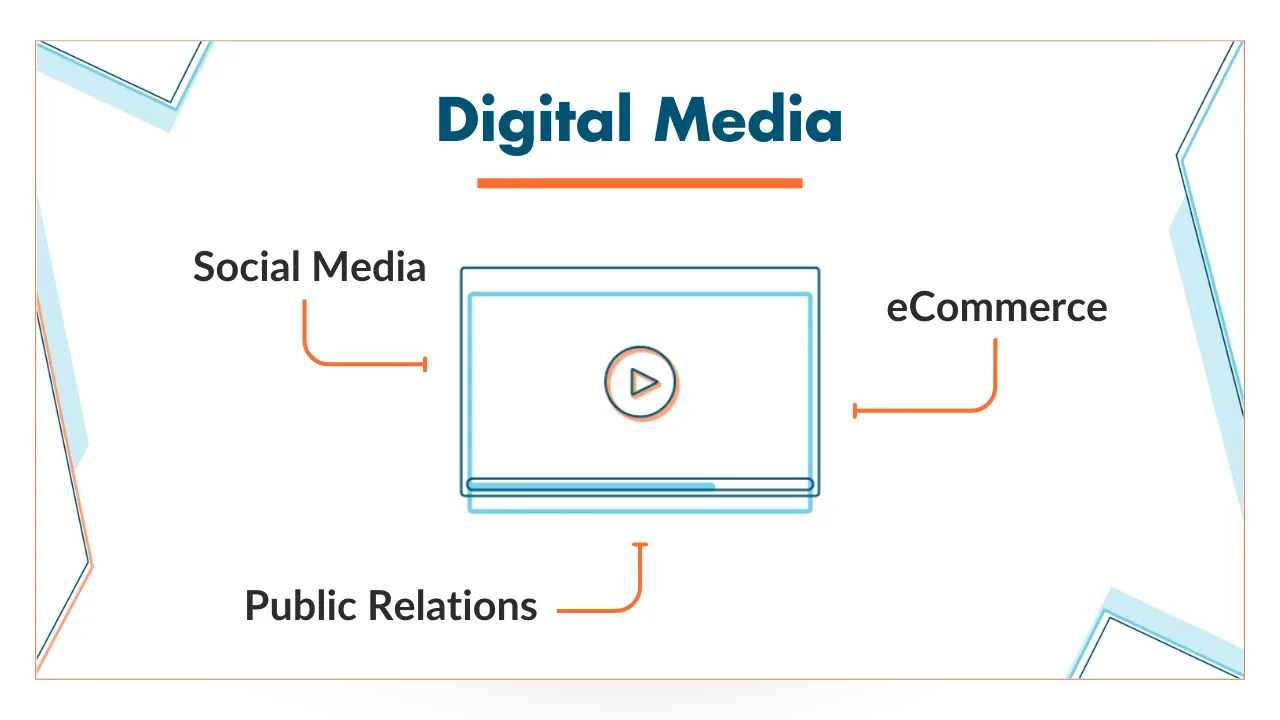
You can build your opt-in list and grow your customer base through digital media. The main reason why my website exists is to have people opt-in to my mailing list. It's one of my key digital assets that drives my business growth.
There are a bunch of different places where someone can opt-in, whether it’s on the home page, product page, and even on the blog site.
Aside from your website, you can also use:
- Social media platforms: Facebook, Twitter, Instagram, and LinkedIn
- Media sharing platforms: TikTok, YouTube, and Spotify
- Shopping and e-commerce platforms: Amazon, eBay, AliExpress, Etsy
- Public relations: Contributing content to publishers through press releases or pitching.
- Sponsored posts and blog articles
Offline Media
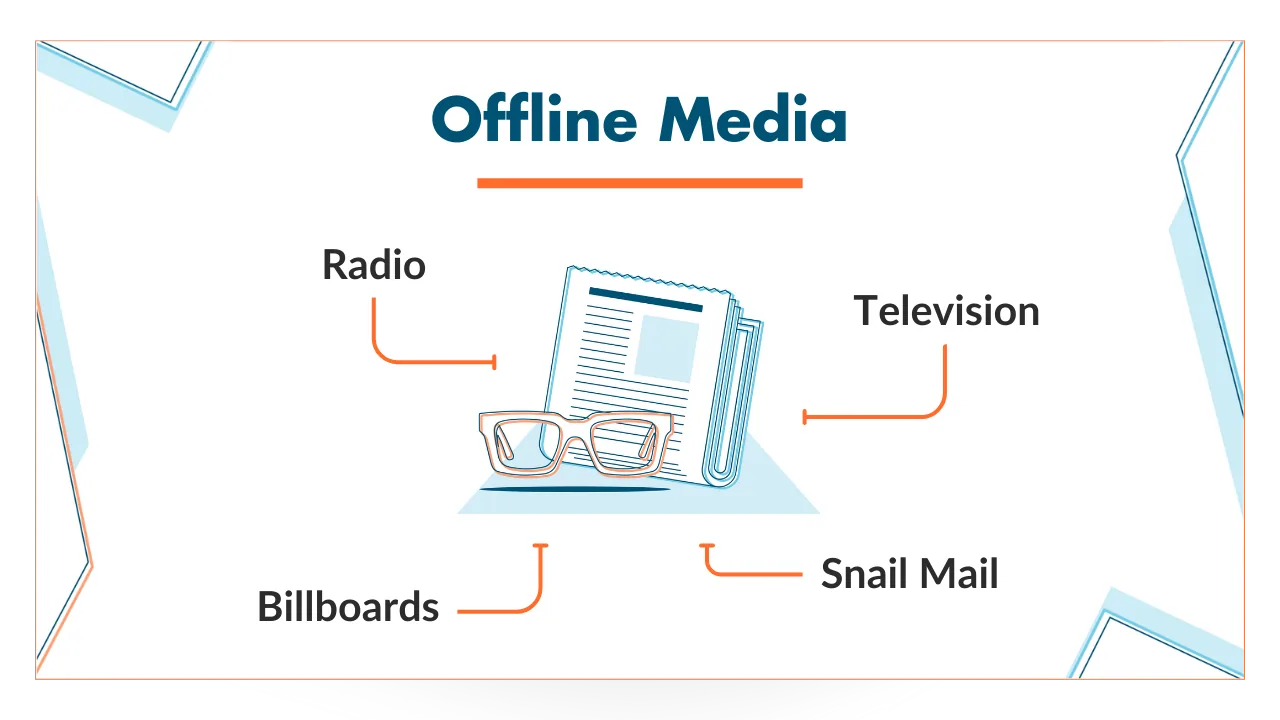
Also known as traditional channels, it’s how businesses advertised in the good old days. And your business can still benefit from:
- Radio
- TV
- Billboards
- Direct mail (snail mail)
Like I said, I don't think that offline media is dead. I personally get hundreds of emails a day, but I might get one or two packages delivered to my home. So if you're sending me a package through physical mail, it's going to get more of my attention because I rarely get one.
Now, if both digital and offline media works, I want you to take a multimedia approach. I'm not saying that you should be on every platform you come across, but choose media where you can connect with people on an ongoing basis.